May 2, 2026
Why Your Reply Got Labeled AI Slop (Even Though the Fix Was Right)
Technical correctness isn't enough anymore. Communities are tagging accurate, well-meant replies as AI slop based on shape, not content. Here's the seven most common shape signals — and a checklist to rewrite around them.
You answered the question. Your fix was right. Your code snippet ran. The reply got two upvotes, a sarcastic "thanks ChatGPT," and faded out of the thread. Meanwhile, a wrong-but-folksy reply three comments down has fifty upvotes.
This is the new normal in dev communities, and it's not unfair. It's a response to a real flood. The cost of generating plausible-looking technical replies has dropped to zero, and communities have adapted by reading the shape of a reply before they read the content.
If your shape pattern-matches AI output, the content barely gets a chance.
The seven AI-tells, ranked roughly by how loud each is
-
The opener "Great question!" or "This is a common issue." Single biggest tell. No human writes this in chat.
-
A list of five-to-seven items where you wanted three. AI defaults to enumerative completeness. Humans pick the two or three that matter and skip the rest.
-
Section headings on a comment-length reply. ### in a Reddit reply is a tell unless the reply is genuinely long enough to need them.
-
"You can also consider…" / "Additionally…" / "It's worth noting that…" Soft transitional phrases that LLMs love and humans rarely use in chat.
-
Generic principles where specifics belong. "Make sure to follow security best practices" — instead of "Don't put your
OPENAI_API_KEYin the repo, use.envplusdotenv." Specifics earn trust; generics burn it. -
A summary paragraph at the end. "In summary, by addressing X, Y, and Z, you can solve this issue." No one writes this in a comment.
-
Suspiciously perfect grammar across long sentences. Real chat is messier. Comma splices. Fragments. Lowercase.
A reply with three of these gets sniffed out. A reply with five gets dismissed.
Why correctness doesn't save you
Here's the disorienting part: a technically perfect reply with shape-tells gets more suspicion, not less. The reader's logic is: "This is too clean, too complete, too polished. It looks like a model produced it. Even if it's right, I can't tell if it understood the problem or pattern-matched my words to a template."
That's a reasonable prior given the information environment. The reader can't audit your reasoning, so they audit your style.
A rewrite checklist
Before you submit, run your draft through these:
- Cut the opener. "Great question" / "This is common" / "I had this exact issue" — delete. Start with the answer.
- Trim the list. If you wrote five items, ask whether two would be enough. If yes, cut.
- Replace one generic with a specific. Find a sentence that could apply to any project. Rewrite it so it could only apply to this one.
- Add one sentence that proves you read their post. Quote a phrase. Reference their stack. Disagree with a small assumption. Anything that proves you weren't just keyword-matching.
- Drop one heading. If you used any.
- Leave one slightly imperfect sentence. A fragment, an ellipsis, a casual aside. Not for cosmetic effect — because chat actually contains these.
Each item costs ten seconds. Together they shift the read from "AI slop" to "someone who debugged this."
When you actually do want it to look like AI
There's one case where heavy structure and exhaustive lists are correct: documentation, internal runbooks, and your own knowledge base. The form earns it. Nobody complains that an internal wiki page reads like AI — that's the right register.
The mistake is exporting that register into community replies, where the register is "chat."
The deeper point
Technical correctness has been commoditized. What hasn't been commoditized — yet — is credible technical correctness, where the reader can tell a person reasoned about their specific problem.
Until detection methods catch up, shape will remain a proxy for credibility. The reply that wins isn't the one that's most accurate. It's the one that reads like a person who understood the question, then bothered to answer it as themselves.
From across the StoicSoft network
Hand-curated reads on the same topic from sister sites in the StoicSoft family.
 ServerCompass5 min read
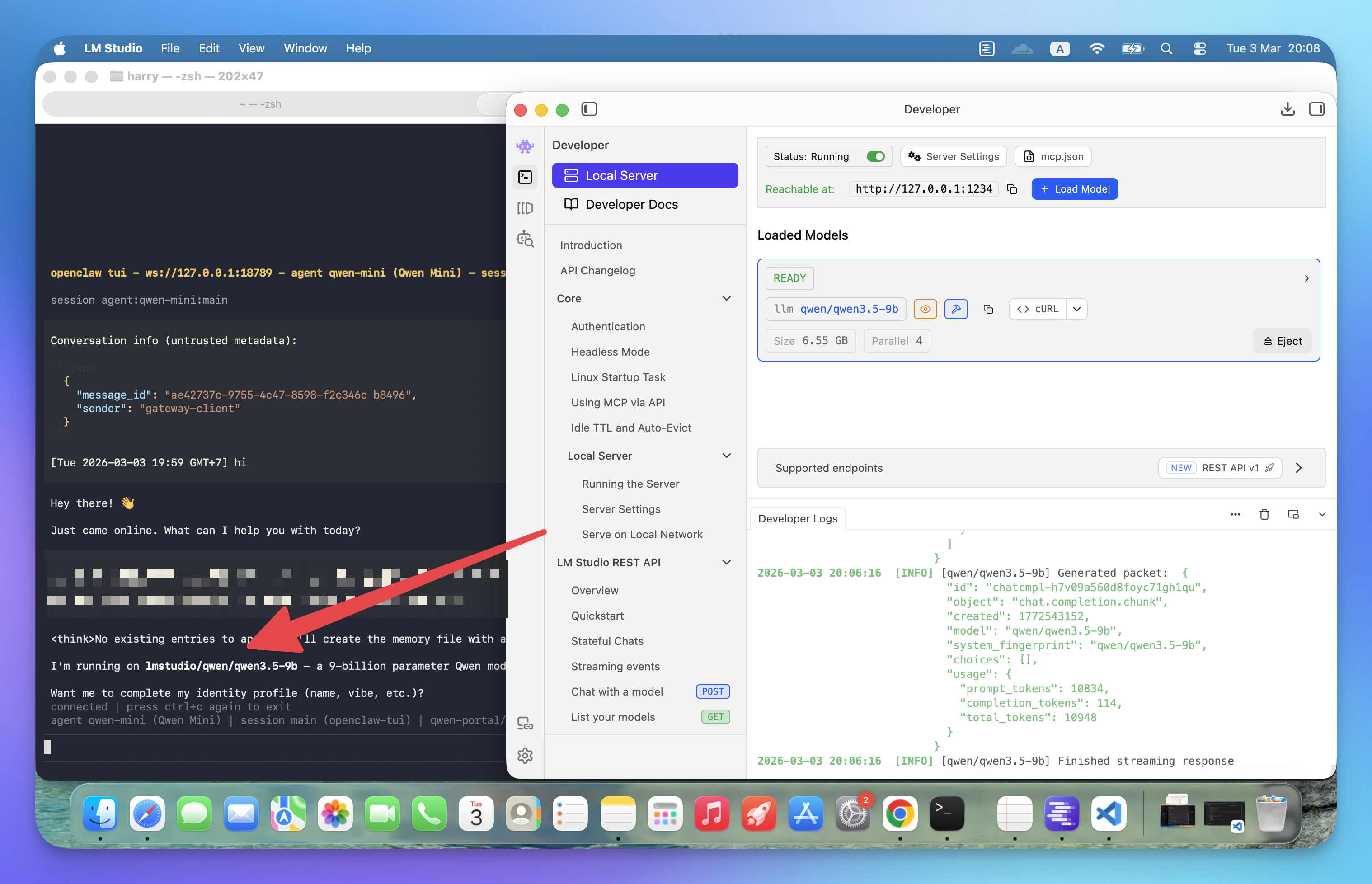
How to Run Qwen3.5-9B Locally with LM Studio for OpenClaw
Run your own AI agent entirely on your machine using LM Studio and OpenClaw — no API costs, no data leaving your computer, just 3 steps to full local inference.
Read on servercompass.app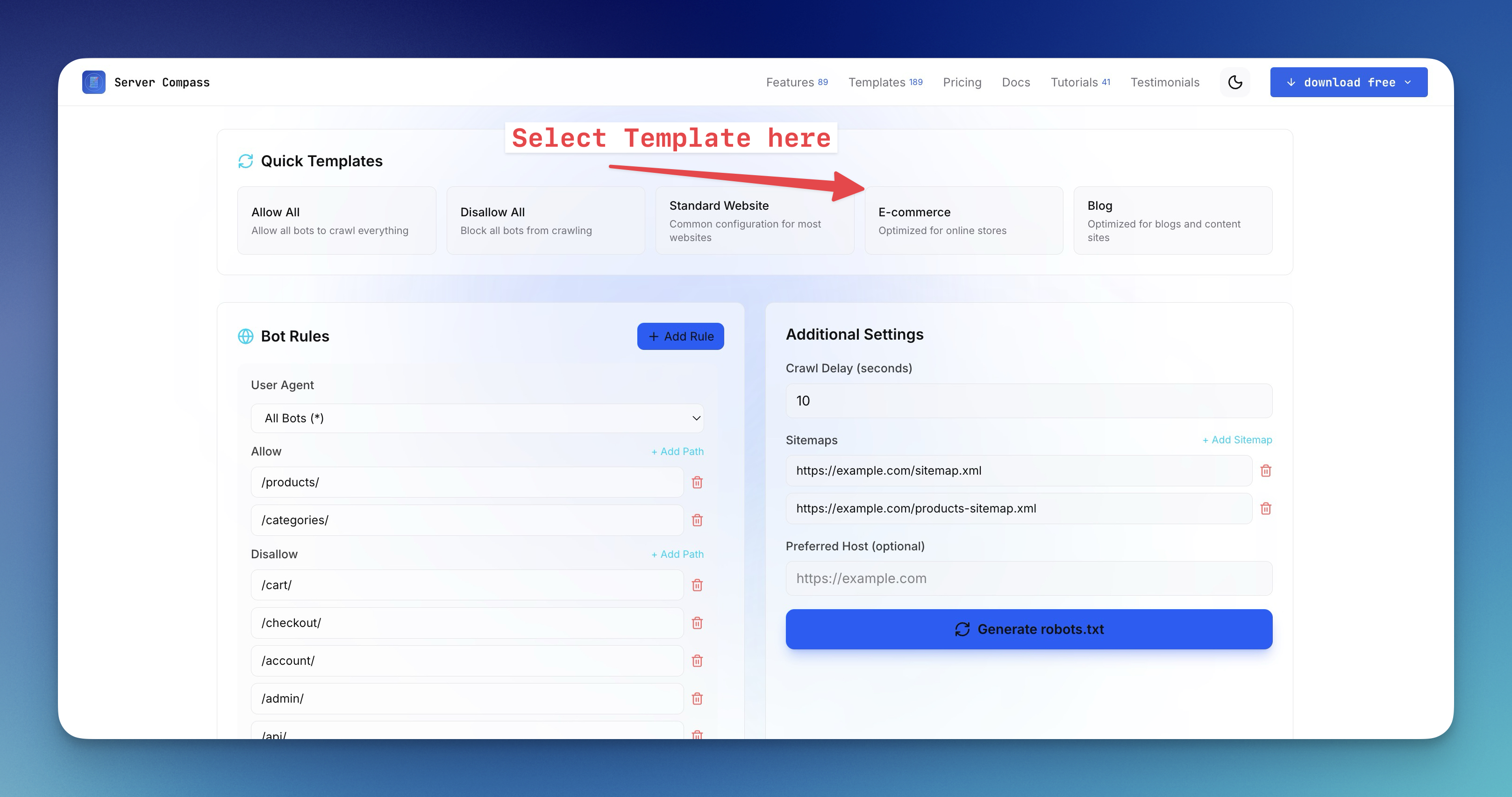 ServerCompass15 min read
How to Create a robots.txt File for the AI Era (2026 Guide)
Learn how to generate robots.txt files that control both search engine crawlers and AI bots like GPTBot, ClaudeBot, and Perplexity. Complete guide with examples, directives, and a free robots.txt generator tool.
Read on servercompass.app