Jul 2, 2026
AI Coding Agents Need Search, Guardrails, and Speed Proof
A practical control layer for coding agents: index the workspace, expose performance bottlenecks, and put deterministic approval gates around risky terminal actions
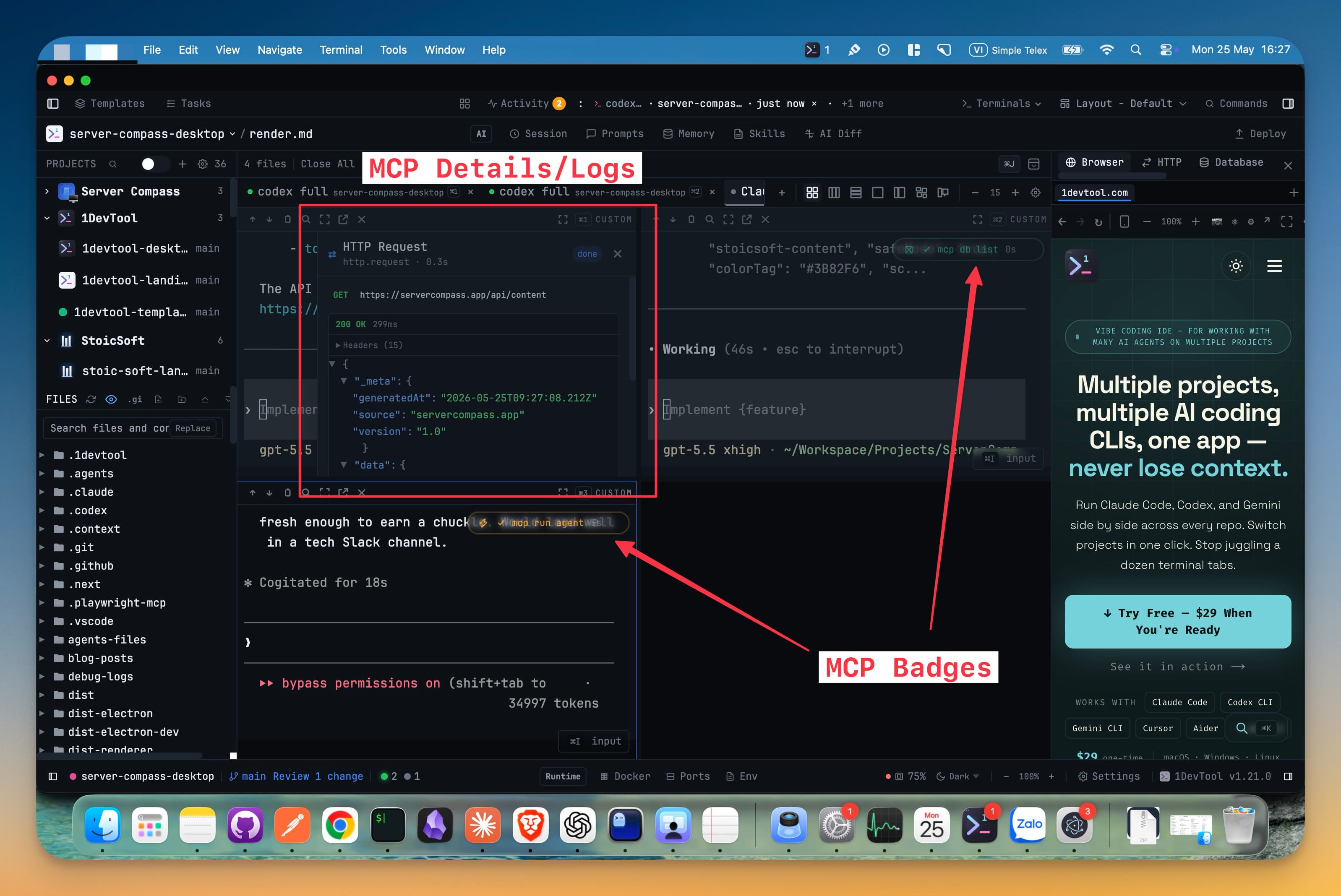
AI Coding Agents Need Search, Guardrails, and Speed Proof because AI coding has moved from isolated prompts into real development operations. The hard part is no longer asking a model for a function. It is deciding what context the agent saw, which commands it ran, whether tests proved anything, how much budget it consumed, and whether the final diff matches the task.
The developer pattern here is concrete: Fresh ClaudeAI threads show the AI-coding workflow shifting from simple code generation into local-agent operations. One builder asks why agents can read files but still cannot search local project context like web search. The useful lesson is a practical control layer for coding agents: index the workspace, expose performance bottlenecks, and put deterministic approval gates around risky terminal actions. That is why AI coding agent control is becoming a workflow problem, not a prompt-engineering trick.
The painful part is that each failure looks different at the surface. One run is slow, another hits limits, another repeats the same search, another proposes a risky shell command, and another produces a diff with no trustworthy trail. Underneath, they are all missing the same control layer.
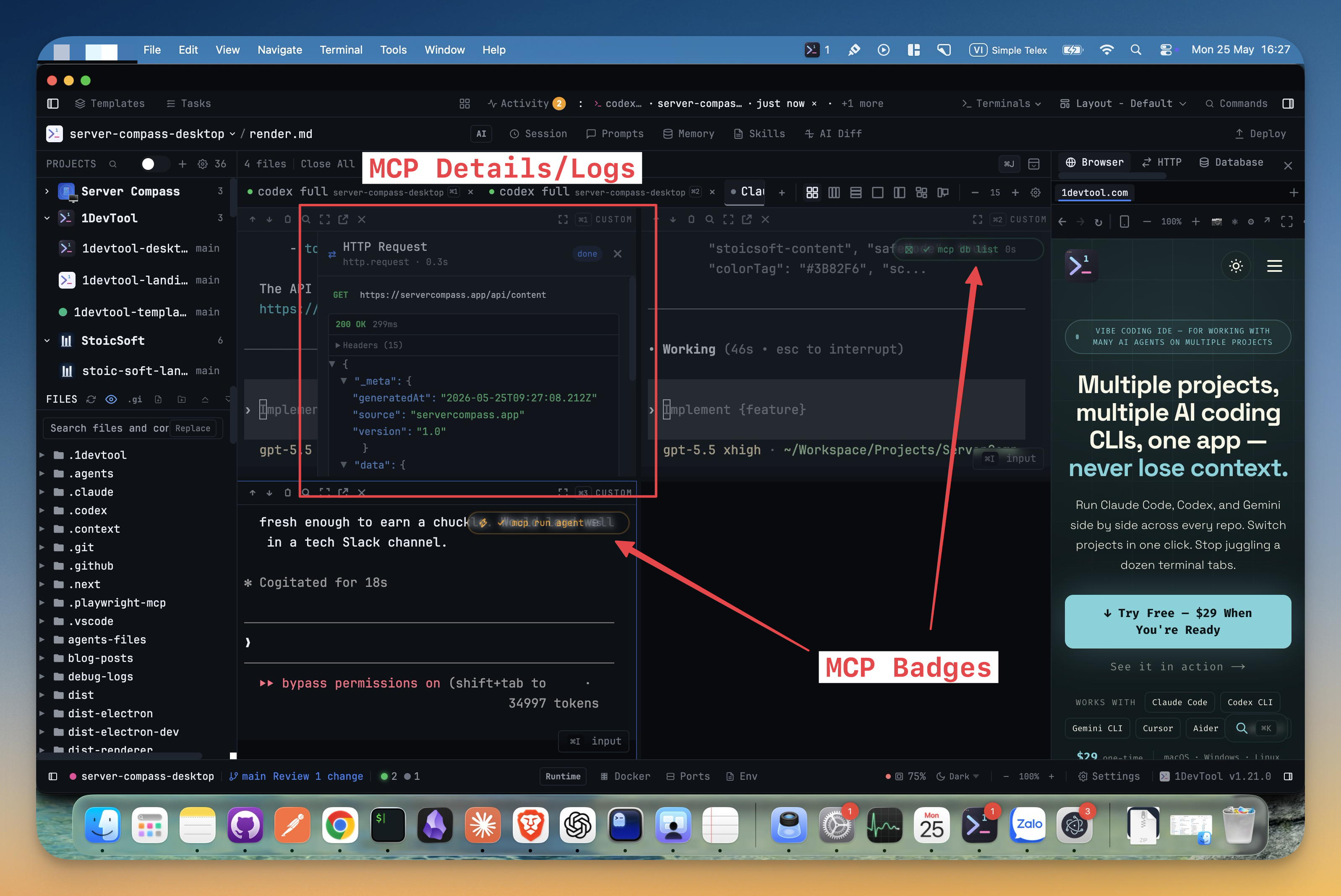
Context Has to Be Searchable, Not Just Present
Giving an agent file access is not the same thing as giving it useful workspace context. Large repositories contain old experiments, generated files, test fixtures, migrations, stale docs, and code paths that look related but are not. Without a way to search, rank, and expose context deliberately, the agent spends budget rediscovering what the developer already knows.
A serious AI coding workflow needs explicit context boundaries. The developer should be able to see which folder, file, issue, test, or prior decision is in play. That matters for ai coding, claude code, local search, agent guardrails because the agent's confidence is not evidence. The workflow has to show what the agent actually used.
Guardrails Belong Around Actions
The risky part of agentic coding is not only bad code. It is the action surface around the code: shell commands, package installs, migrations, file deletes, network calls, generated credentials, and test runners that can mutate local state. A chat transcript cannot be the only control plane for that surface.
Useful guardrails are specific. They distinguish read-only inspection from destructive commands. They make approval decisions visible. They let a team define which tools are allowed in a project and which steps require a human. The point is not to slow the agent down; it is to stop confusing speed with permission.
Runtime Proof Beats a Polished Explanation
AI coding tools are very good at explaining why a patch should work. Teams need evidence that it did. That means logs, command output, test results, screenshots, and a link between the final diff and the run that produced it. Without that trail, review turns into archaeology.
Runtime proof also protects the developer from false progress. If an agent loops through the same search, swaps implementations, or claims a test passed without showing the command, the workflow should make that visible. A good control layer turns invisible agent behavior into reviewable state.
Cost and Speed Need First-Class Signals
Model switching can help, but it does not solve bad execution. A cheaper model repeating the wrong tool calls is still expensive. A stronger model working with stale context still wastes time. Developers need to see where tokens, time, and retries are going before they can decide whether the model, the prompt, or the workflow is the bottleneck.
That is especially true for long-running coding sessions. The user needs a live answer to basic questions: what is the agent doing, what has changed, what is blocked, and what proof exists so far? Without that, the developer becomes the monitoring system.
The Control Layer Is the Productive Layer
The useful future of AI coding is not blind autonomy. It is a workspace where agents can work faster because context, tools, permissions, logs, and verification are explicit. Developers can hand off more when they can inspect more.
That is the durable lesson behind AI coding agent control. Better models will keep arriving, but teams still need a way to direct the work, audit the actions, and decide when the result is trustworthy enough to merge.