Jul 1, 2026
Claude Code users need persistent project state plus safe remote and auto-approval controls
Fresh Reddit threads show 1devtool demand around the control layer outside the model. One Claude Code user built a repo memory structure because every project/session required 10-15 minutes of re-explaining active state,...
AI coding stops feeling magical the first time the generated app has to survive review, testing, handoff, and production constraints. The prompt may produce code, but the workflow still needs evidence: what changed, why it changed, what was tested, and where the agent may have acted outside the intended boundary.
The signal came from ClaudeAI, ClaudeAI, vscode discussions. The recurring need is AI coding agent control: a visible operating layer around Claude Code, Codex, Cursor, OpenCode, and local agents so developers can coordinate sessions instead of trusting an isolated chat box.
Ai Coding Agent Control Starts With Visibility
A coding agent can sound confident while skipping tests, ignoring style rules, duplicating another agent's work, or carrying hidden context the user did not mean to include. The answer is not simply a stronger model. It is a workflow that exposes state.
Developers need to see active sessions, files touched, commands run, prompts used, approvals granted, and verification still missing. Without that visibility, every handoff becomes a trust exercise.
The Hard Part Begins After The First Generated App
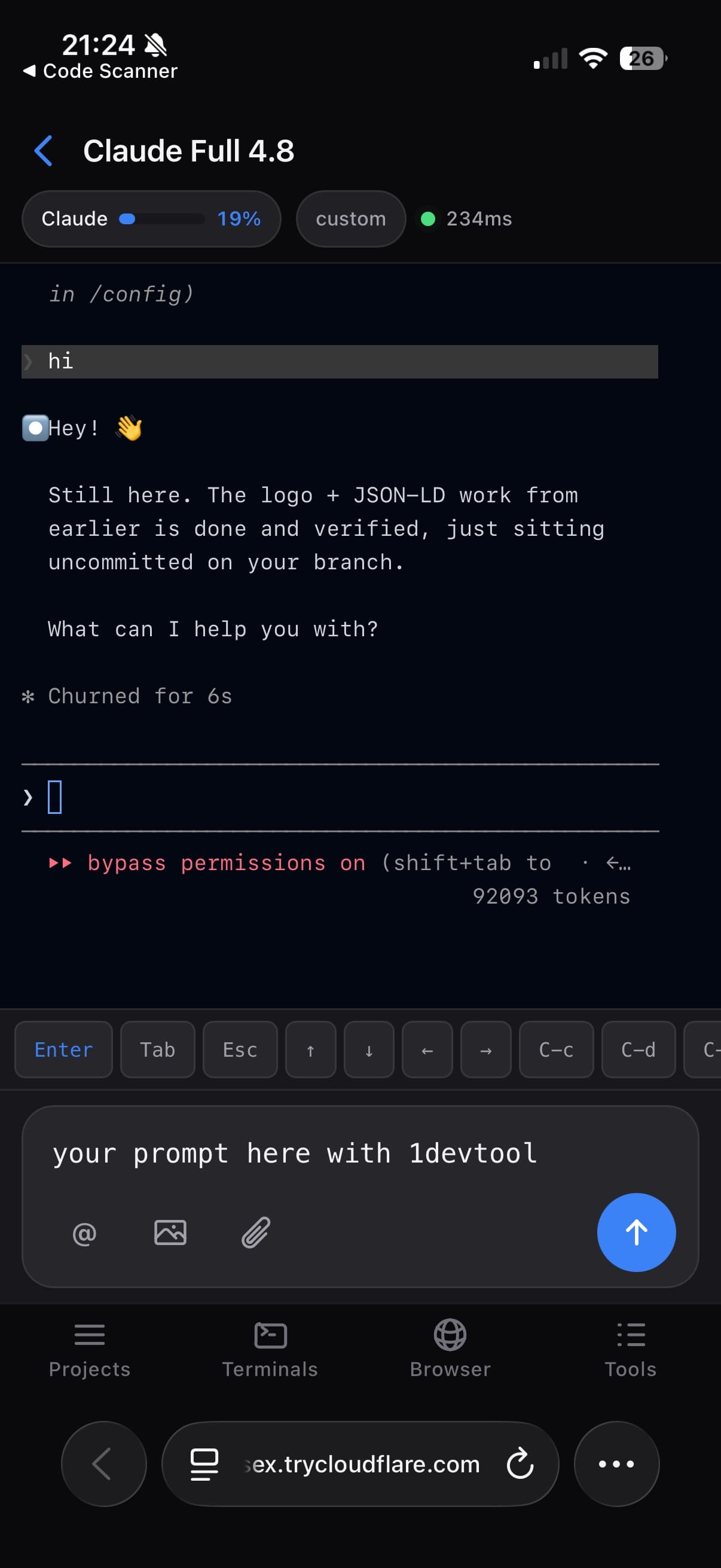
timid_waffle loses context and active working state across Claude Code projects; Putrid-Pirate8621 moved Claude Code to a hardened VPS/tmux workflow for phone pickup; Bl00dMys7 wants auto-approve/whitelist controls in VS Code without allowing destructive actions.
That pattern shows why AI-assisted development needs external loops. Builders still need device matrices, smoke tests, regression checks, review notes, release gates, and feedback capture. An app can be generated quickly and still fail the ordinary work of shipping.
The control plane should make those loops easier to run. It should not hide them behind a celebratory diff.
Multiple Agents Need Coordination Rules
When several agents touch the same repository, context fragmentation becomes a real risk. One agent may solve a problem another already handled. Another may edit a file without knowing it has been claimed. A third may follow the plan superficially while skipping the helper tests that would prove the change.
Coordination needs shared memory, file ownership, explicit task boundaries, and a record of verification. These are not luxuries for large teams. They become necessary as soon as agent work becomes parallel.
Permissions Should Be Designed, Not Remembered
Auto-approval is convenient until it is unclear what the agent can do. Remote commands, package installs, file writes, browser actions, and deployment steps carry different risks. A serious workflow separates those permissions and makes handoffs visible.
Human-in-the-loop does not mean stopping every action. It means placing review where the cost of being wrong is high: destructive commands, secret handling, production deploys, unclear tests, and cross-device behavior.
Trust Comes From Proof Trails
The most useful AI coding systems will not be the ones that produce the most code. They will be the ones that leave the best trail: task intent, repo context, edits, tests, failures, retries, and final verification. That trail lets a developer resume work, review another agent, or explain the change later.
That is the core of AI coding agent control. The agent can generate. The surrounding system has to preserve context, boundaries, and proof. For a related view, see Context Budgets and Review Proof Are Now Coding Infrastructure.
AI coding workflows mature when they stop asking for blind trust and start producing evidence a working developer can inspect.