Jul 3, 2026
Cursor, OpenCode, and Fable Are Now a Workflow Maturity Test
Cursor, OpenCode, and Fable Are Now a Workflow Maturity Test frames AI coding as an operational workflow that needs proof, scope, routing, and review around the agent.
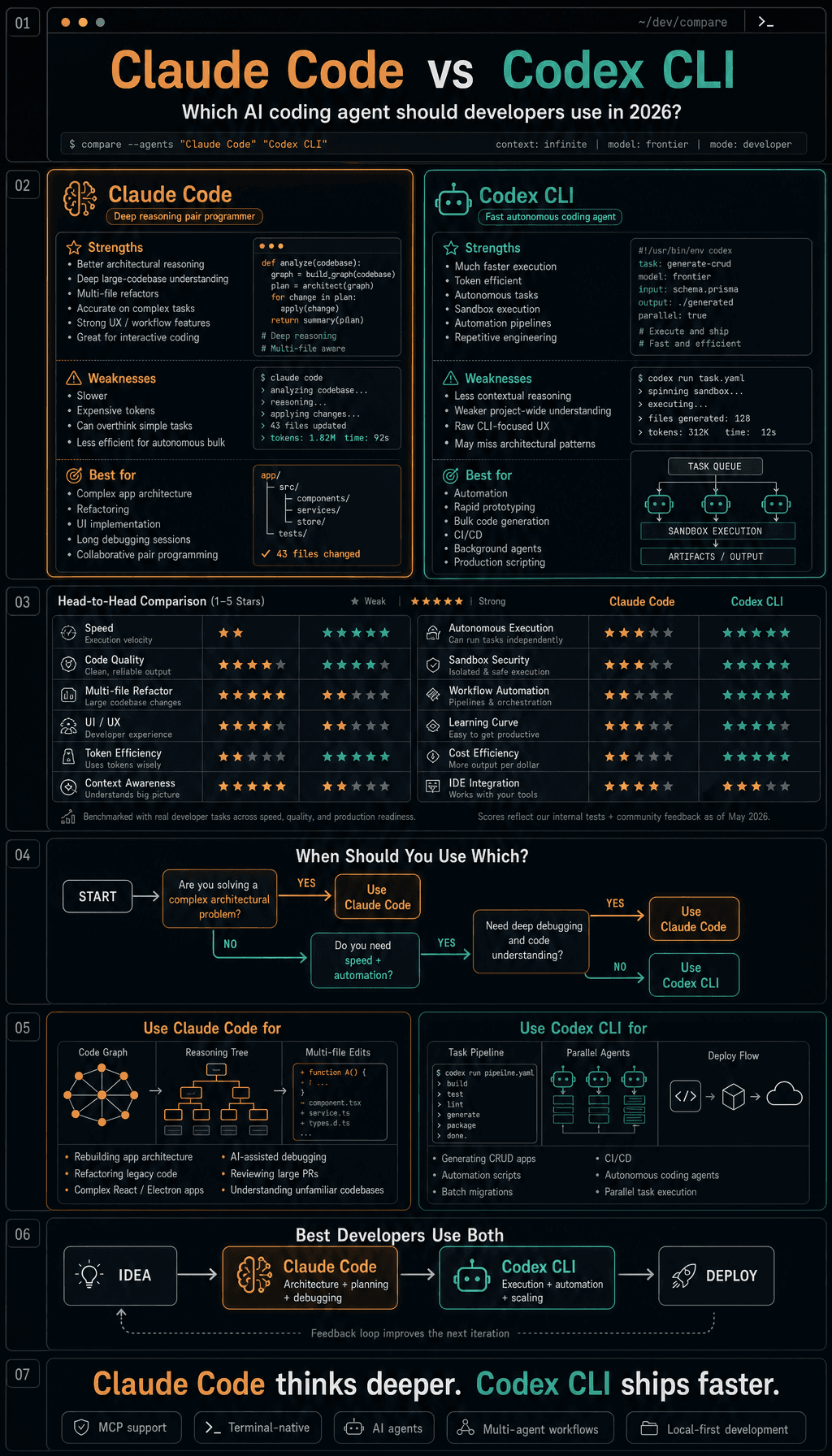
AI coding comparisons are moving away from raw model quality. Developers are asking which setup has mature review loops, usable project files, alternative terminal workflows, and enough reliability to replace the current tool.
The question is no longer which model is smartest
A developer moving off Cursor, another using Fable for review and post-mortems, and a user getting better results when project markdown files carry plans and preferences all show the same shift.
The signal is specific: The row combines Cursor alternatives, OpenCode readiness, Fable review, project md files, tool switching, and workflow proof. Developers are not only asking for stronger models. They are asking for an operating layer around model work: scope, evidence, review, routing, and recovery.
 Tool comparisons become more useful when the workflow preserves plans, preferences, commands, and review notes.
The asset is not decorative. AI coding work needs visible operating surfaces because the important failures happen between prompts: which command ran, which model acted, which file changed, and which human approval turned a result into shippable work.
Switching tools should not erase project memory
A mature workflow preserves the artifacts around the model. Plans, rules, command output, tests, and review comments should remain available even when the user changes agents.
The useful interface is not another chat transcript. It is a run surface that keeps plans, commands, diffs, screenshots, logs, test output, and human approvals attached to the task while the agent works.
That record also makes model comparisons less theatrical. If a team can see the route, the evidence, and the handoff, it can judge a workflow by operational quality instead of by a single impressive answer.
Boundaries are how agents become usable
Tool switching becomes risky when each product owns its own memory. The safer pattern is a control layer that can launch different agents while keeping project state and approval rules stable.
Without boundaries, every successful run still leaves a question: what else changed? A mature workflow makes file scope, command permissions, model choices, and approval gates visible before the result reaches production.
Evidence should travel with the work
Project files should be checked for freshness and used as evidence, not treated as magic. When an agent follows a plan, the run should show which instructions shaped the work.
The next agent, reviewer, or maintainer should not have to reconstruct the session from memory. A compact trail of decisions and verification is what lets AI-assisted work survive handoff.
The control layer is becoming the product
The best AI coding tool is increasingly the one that makes other tools safer to use. That is a workflow maturity test, not a benchmark race.
Raw model quality will keep improving, but production trust depends on the layer around the model. Developers need to see what happened, why it happened, and where human judgment still belongs.