Jul 3, 2026
AI Coding Users Are Building Routing, Cost, and Review Layers
AI Coding Users Are Building Routing, Cost, and Review Layers frames AI coding as an operational workflow that needs proof, scope, routing, and review around the agent.
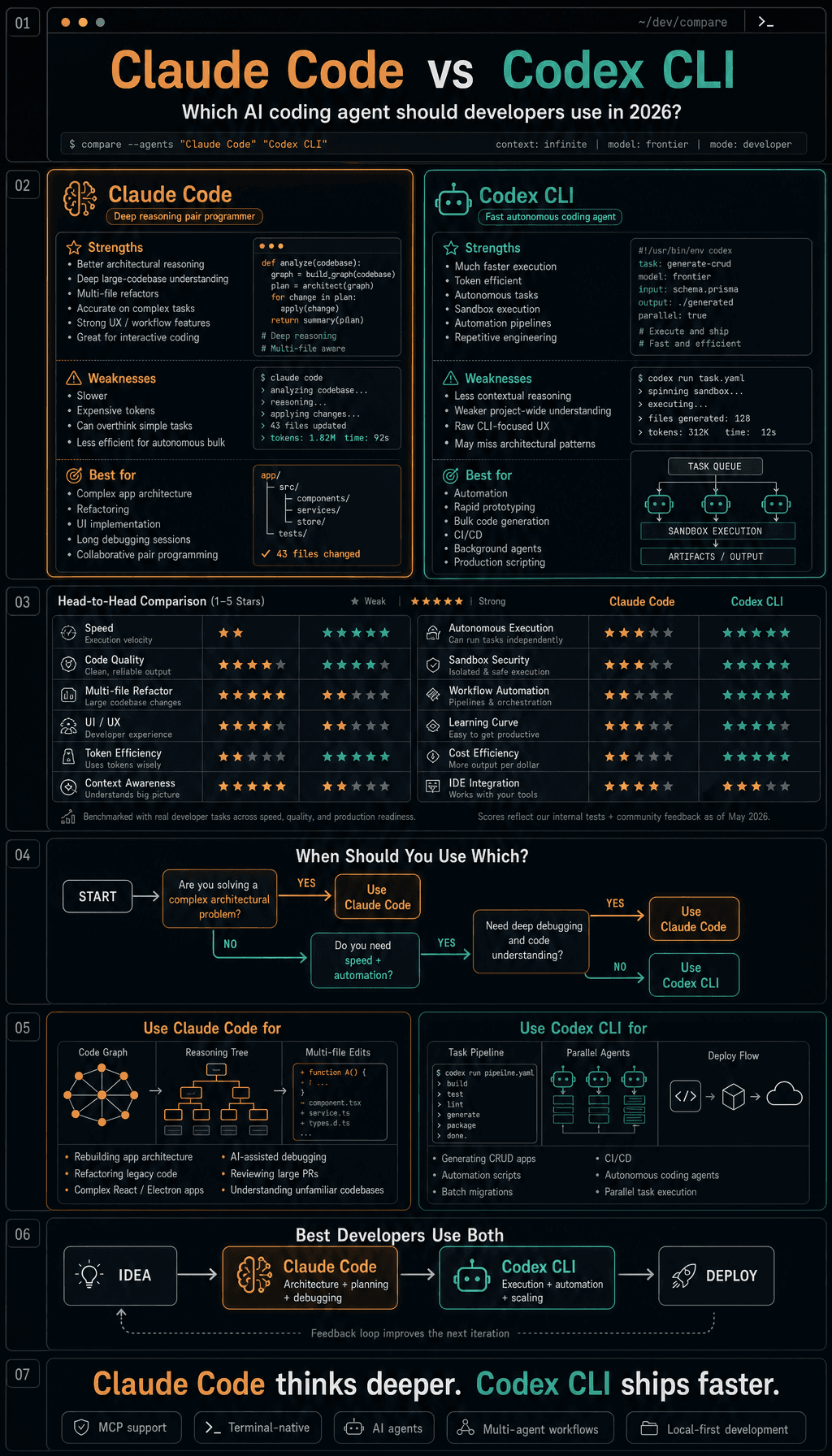
Developers are no longer treating AI coding as one model in one chat. They are assembling gateways, fallback stacks, token compressors, and cross-agent review loops because real work needs more than a single assistant.
The one-agent workflow is already breaking apart
Provider 429s, wasted context on logs and diffs, manual copy-paste between Codex and Claude Code, and fake API hallucinations all expose the same missing control plane.
The signal is specific: The row combines AI gateways, cross-agent planning and review, API verification tools, model routing, cost control, and safety checks. Developers are not only asking for stronger models. They are asking for an operating layer around model work: scope, evidence, review, routing, and recovery.
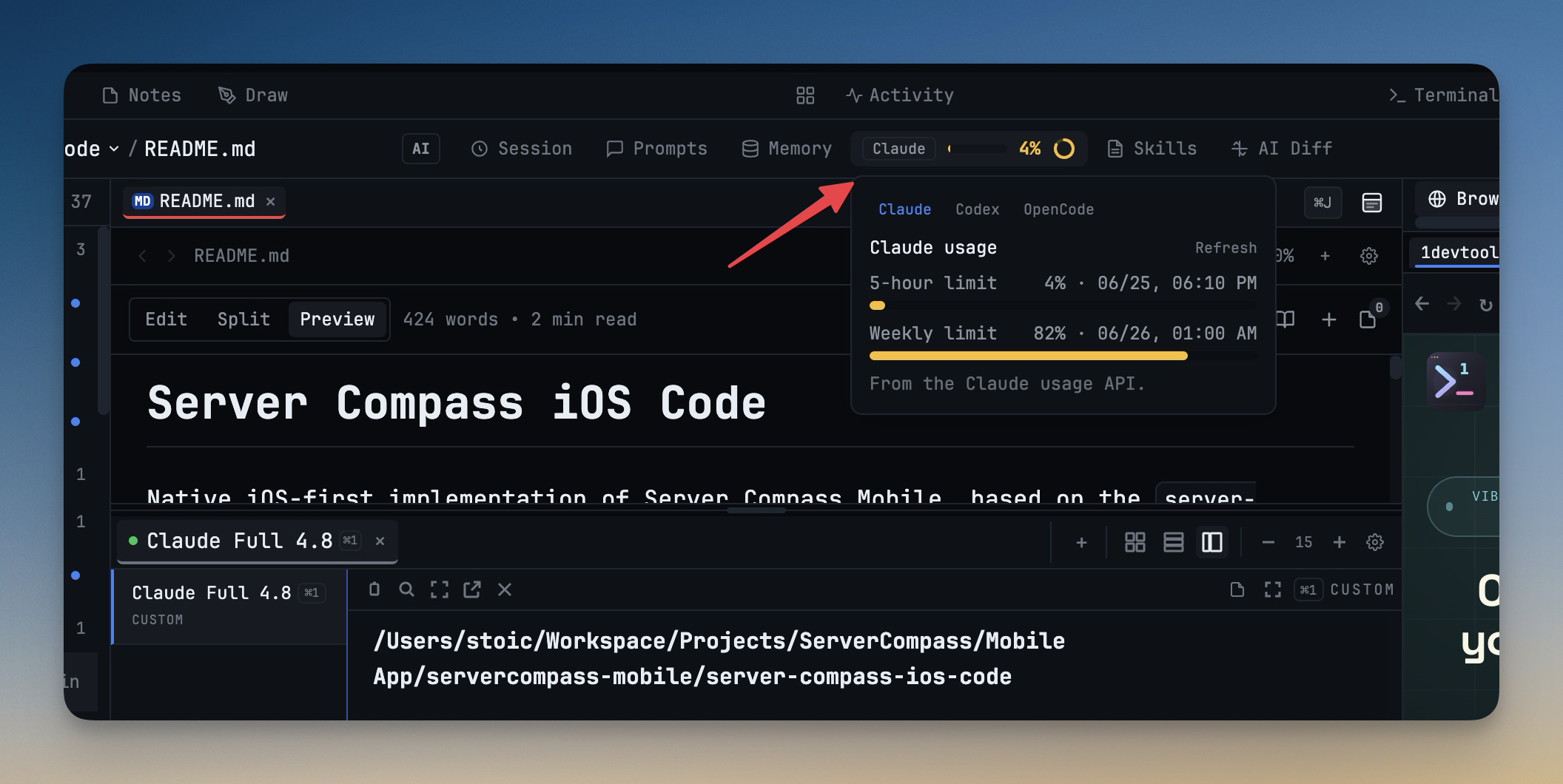 Cost visibility becomes part of review once developers route work across multiple agents and providers.
The asset is not decorative. AI coding work needs visible operating surfaces because the important failures happen between prompts: which command ran, which model acted, which file changed, and which human approval turned a result into shippable work.
Routing needs an audit trail
A control surface should show the route of the work. Which agent planned? Which edited? Which reviewed? Which commands ran? Which checks failed? Without that trace, multi-agent coding becomes harder to trust than a single chat.
The useful interface is not another chat transcript. It is a run surface that keeps plans, commands, diffs, screenshots, logs, test output, and human approvals attached to the task while the agent works.
That record also makes model comparisons less theatrical. If a team can see the route, the evidence, and the handoff, it can judge a workflow by operational quality instead of by a single impressive answer.
Boundaries are how agents become usable
Cost controls are not just finance features. They shape which model runs, how much context is included, and when a task should stop for human review.
Without boundaries, every successful run still leaves a question: what else changed? A mature workflow makes file scope, command permissions, model choices, and approval gates visible before the result reaches production.
Evidence should travel with the work
Review artifacts should travel with the task. The next agent should receive the plan, diff, verification result, and unresolved risks without another manual paste cycle.
The next agent, reviewer, or maintainer should not have to reconstruct the session from memory. A compact trail of decisions and verification is what lets AI-assisted work survive handoff.
The control layer is becoming the product
The AI coding category is becoming a workflow layer. The winners will make routing and review visible enough to be dependable.
Raw model quality will keep improving, but production trust depends on the layer around the model. Developers need to see what happened, why it happened, and where human judgment still belongs.