Apr 5, 2026
Claude Code vs Codex CLI: Which Agent Fits Your Workflow in 2026?
Claude Code and Codex CLI are both strong coding agents, but they excel in different operating models. Learn how to choose based on task type, review style, and team orchestration patterns.
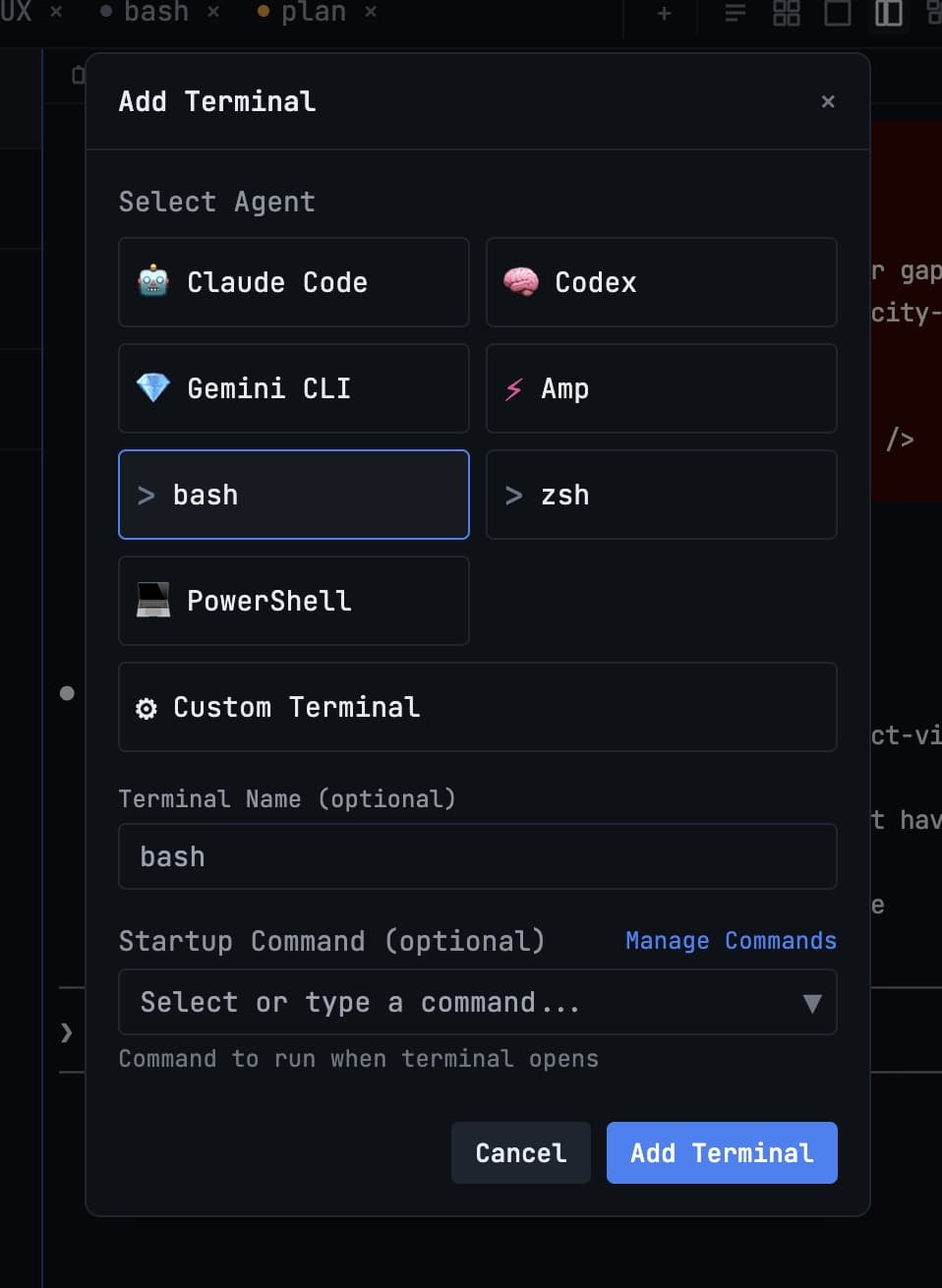
The Claude Code vs Codex question is not about which model is globally “better”. It is about workflow fit. Different agents perform differently depending on task shape, prompting style, and how your team reviews output.
Quick Comparison
Dimension
Claude Code
Codex CLI
Planning and explanation depth
Strong
Good
Execution speed on focused edits
Good
Strong
Prompt-style sensitivity
Moderate
Moderate
Best use pattern
Planner/reviewer lane
Builder/verify lane
Recommended Team Pattern
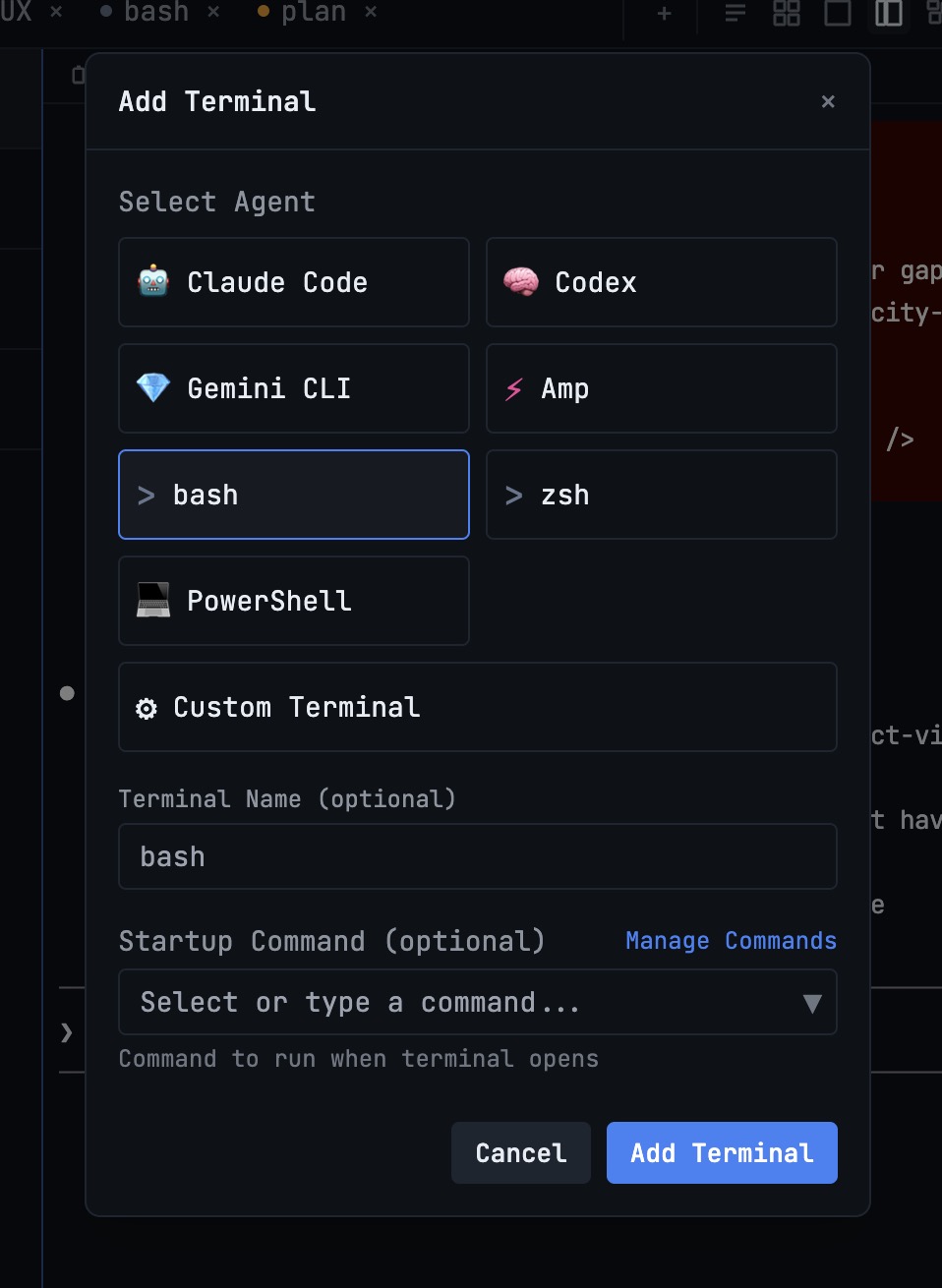
Run both agents in parallel lanes and assign roles intentionally. A common pattern is:
- Claude lane: planning, architecture notes, and risk analysis.
- Codex lane: implementation passes and focused refactors.
- Reviewer lane: diff checks and test verification.
How to Avoid Agent Conflicts
- Never let both agents edit the same file range simultaneously.
- Use explicit ownership in prompts (who edits, who reviews, who tests).
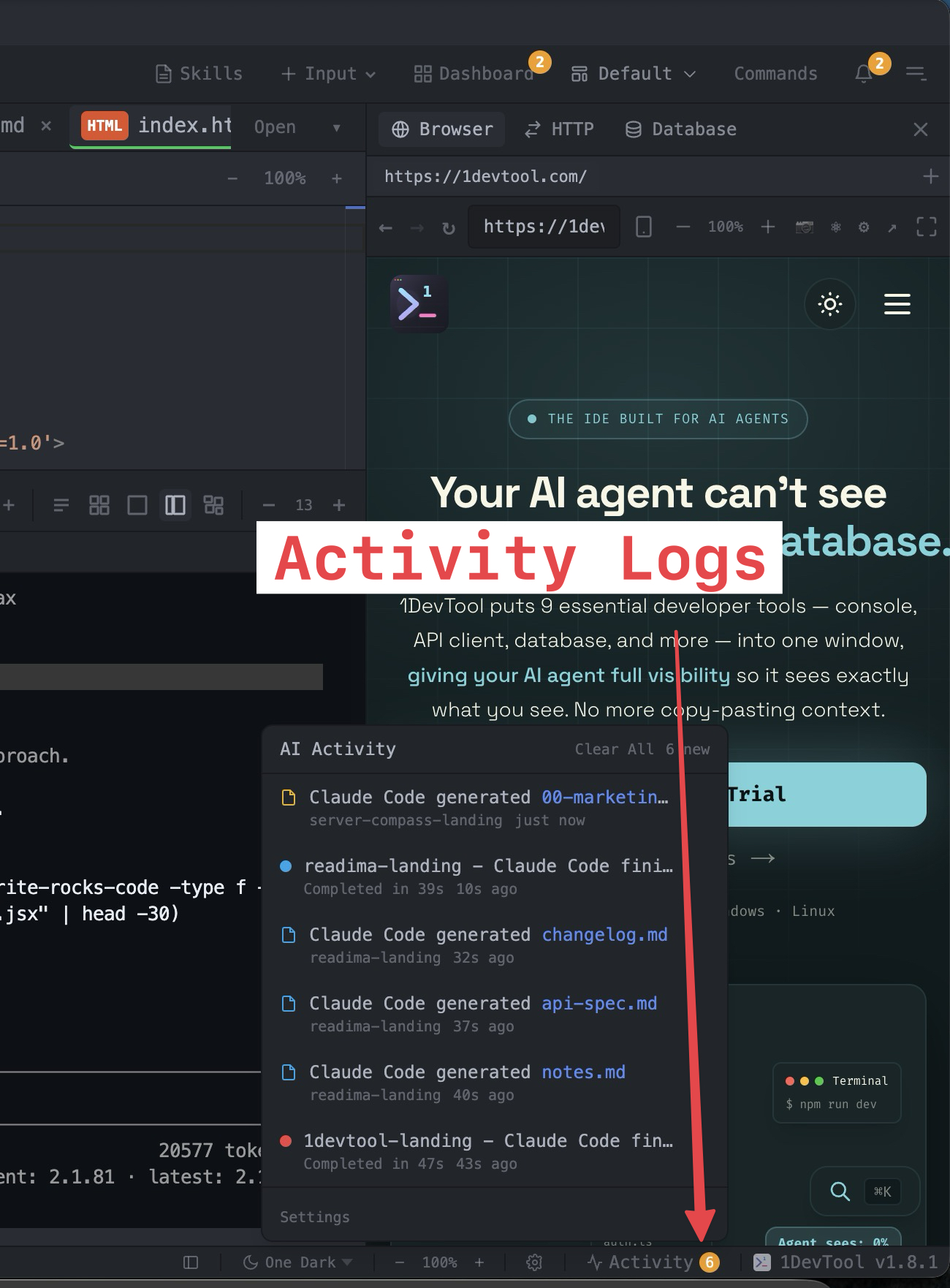
- Track completions with Activity Logs to stop polling loops.
Final Recommendation
For most teams, the winning strategy is not either-or. Run Claude Code and Codex CLI together in a structured multi-agent workflow, then choose default ownership by task type.
From across the StoicSoft network
Hand-curated reads on the same topic from sister sites in the StoicSoft family.
 ServerCompass12 min read
Server Compass vs Vercel: Take Control of Your Infrastructure and Save Thousands
If you're reading this, chances are you've experienced that sinking feeling when opening your Vercel invoice. What started as a convenient deployment platform has become an increasingly expensive proposition as your application scales.
Read on servercompass.app ServerCompass12 min read
Best VPS Control Panels for Developers in 2026
Compare the best VPS control panels for developers in 2026: CloudPanel, CyberPanel, Plesk, Webmin, and Server Compass. Features, pricing, ease of use, and which one fits your workflow.
Read on servercompass.app ServerCompass12 min read
Coolify vs Dokploy: Which Self-Hosted PaaS Should You Use?
A detailed comparison of Coolify and Dokploy covering features, ease of use, pricing, Docker support, GitHub integration, and community. Find out which self-hosted PaaS fits your workflow in 2026.
Read on servercompass.app